By
By
OTC Blood Pressure Devices and How to Find Them
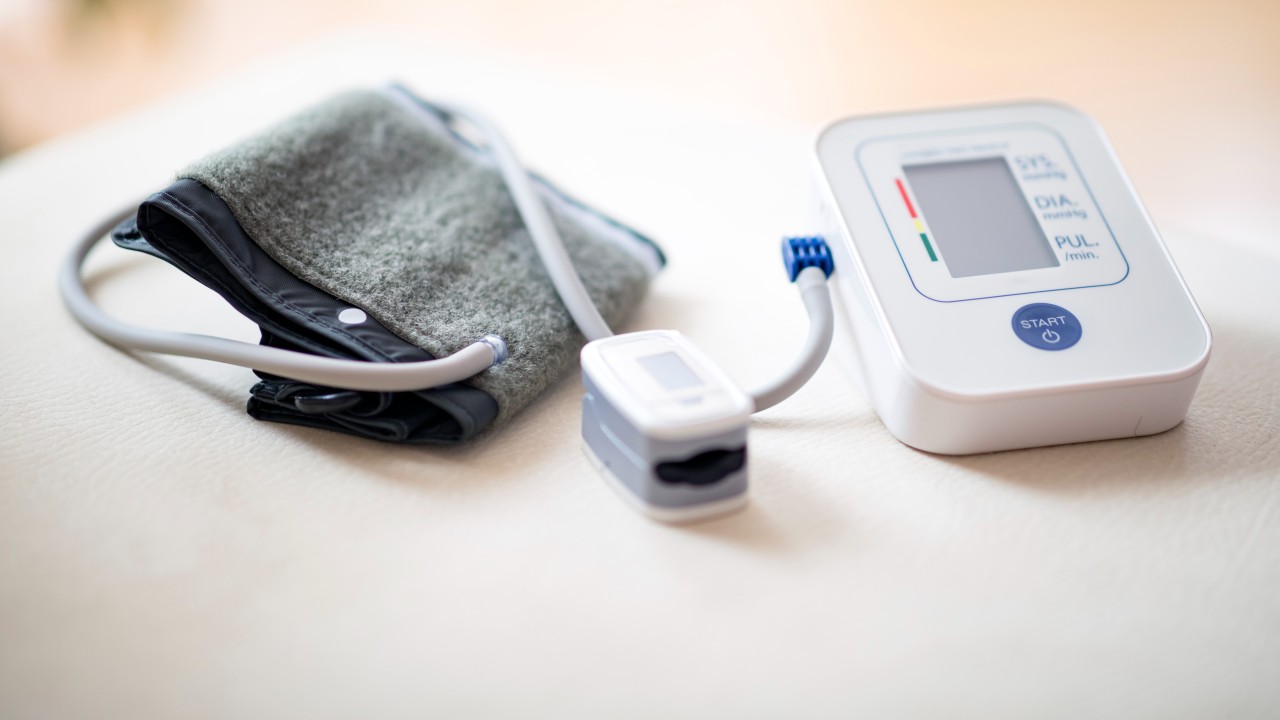
FDA recently issued a safety communication about the use of unauthorized over-the-counter devices for measuring blood pressure. In it, FDA outlines their concerns about the prevalence of uncleared devices and recommends that consumers look for authorized devices using the 510(k) database. The timing of this safety communication falls on the heels of FDA’s warning letter to WHOOP, Inc. and their marketing of “Blood Pressure Insights” without authorization. The combined messaging clearly highlights FDA’s focus on ensuring that blood pressure devices being marketed in the US have been appropriately tested and evaluated.
From a consumer standpoint, I was curious about the prevalence of unauthorized BP devices. Are they as ubiquitous as FDA is making them out to be? I also wondered about the practicality of FDA’s advice to consumers for finding authorized devices. To this end, I ran a little experiment. I did a quick search on Amazon using the term “arm blood pressure monitor”. I filtered for “FSA or HSA Eligible” as according to the IRS, such devices must be intended for “medical care”, and sorted by best seller, focusing on one device per company. Then I fired up the 510(k) database to see what I could find.
The first hit was a big-name BP device manufacturer. FDA’s 510(k) database has a few dozen clearance letters from that manufacturer, all under the product code DXN. However, I could not find a clearance letter for the specific device name or model number I saw on Amazon. I did find the model number on FDA’s registration and listing (R&L) database. The model number was tied to a 510(k)-clearance, but the model number was not included in the 510(k) Summary. Best case, this indicated that either the manufacturer changed the model number when they went to market, or they letter-to-filed this particular model to an already-cleared model. I was reasonably confident that this model was above board and met regulatory requirements. It took quite a bit of time to come to this conclusion, however.
The next several brands in the search results were new to me. They were all inexpensively priced and had 4+ stars across the board. None of them were in the 510(k) database. One company had an establishment registered but no device listing. I’d have to file this bunch of devices under “suspect” and “don’t recommend to friends and family”.
I also noticed at this point how many devices had generic device names on Amazon – blood pressure monitor, upper arm monitor, electronic blood pressure monitor – instead of unique ones. Searching by the company name [or “Applicant Name” as it’s called on the 510(k) database search page] is the only way to begin to find Amazon listings and clearances.
The next hit was another big company name. This device bucked the trend described above and had a unique device name. I typed the exact company and device name into the 510(k) database – no luck. I did get two results using the company name and the product code DXN. One of the 510(k)s was for a wrist cuff rather than an arm cuff and the other didn’t have a matching device name or model number. Back into the R&L database I went, where I was able to find the brand name and model number tied to the associated 510(k). It turns out the 510(k) is owned by a parent company that is using the smaller company’s name for marketing on Amazon.
The next one was an Amazon-branded monitor that was previously marketed under another company’s name. It appears Amazon is over-labeling an existing device. Whatever the arrangement, I couldn’t find anything in the 510(k) or R&L databases using Amazon or the other company’s name.
In total, I looked up 15 devices.
- Three devices: Solid connections between what was on Amazon and the 510(k) database. Two of these three needed R&L database confirmation.
- Two devices: Potential linkage with a 510(k) based on R&L database
- Ten devices: No connections with 510(k) or R&L databases.
I’m a power-user of the 510(k) and R&L databases and I ran into struggles. What hope does the common consumer have in finding this information? It also seems that this exercise supports FDA’s point on the ubiquity of unauthorized BP devices, making things even more challenging for someone seeking out a device that held up to FDA’s standards.
In a follow-up post, I’ll talk about how the labeling regulations and common manufacturing arrangements can muddy things further for the consumer.
Labeling Regulations and ODMs
In my previous post, I talked about the difficulties for the common consumer in finding authorized OTC blood pressure devices. Part of the problem is just the sheer number of unauthorized devices making their way to online realtors. Another part of the difficulty could also be caused – at least in part – by FDA’s labeling regulations.
§ 801.1 Medical devices; name and place of business of manufacturer, packer or distributor.
(a) The label of a device in package form shall specify conspicuously the name and place of business of the manufacturer, packer, or distributor.
That’s a big “or”. The regulation goes on:
c) Where a device is not manufactured by the person whose name appears on the label, the name shall be qualified by a phrase that reveals the connection such person has with such device; such as, “Manufactured for ___”, “Distributed by _____”, or any other wording that expresses the facts.
Companies can use ODMs – original design manufacturers – for both the design and manufacturing. Many times, those ODMs are the ones submitting the 510(k) as the manufacturer (assuming that’s the arrangement with the original company), and it’s the ODM’s name that gets populated under “Applicant” in the 510(k) database after clearance. After clearance, the original company that outsourced the work wants their name of the package label and not the contractor’s name. This is completely allowable under Part 801.1 due to that “or”. All the original company must do is what it says in 801.1(c): add a qualifying phrase. The ODM’s name does not need to be on the label. This contributes to the disconnect between what we see on the 510(k) database and what’s branded in stores. This story is not unique to blood pressure devices. Many other OTC devices are in the same boat.
There are still ways to connect the dots between the 510(k) applicant and whose name is on the box (if different), but that requires:
- Proper device listing by both the 510(k) applicant (ODM) and the company whose name is on the box. The latter should be listing themselves as a re-labeler, or contract manufacturer…something that ties device names or model numbers to 510(k) clearances.
- Knowing your way around the registration and listing database.
The moral of this story is that it can be hard to figure out which OTC devices are FDA authorized. I’ve been using the 510(k) and R&L databases for almost 20 years; while it’s great for my day-to-day regulatory work, it leaves a lot to be desired for consumer use. It’s easier said than done, but I hope FDA can tackle this problem to help consumers make better informed decisions on OTC purchases.